
Tuba Methods
The Arban method for tuba, complete and with interactive sheet music, in bass clef and at concert pitch.
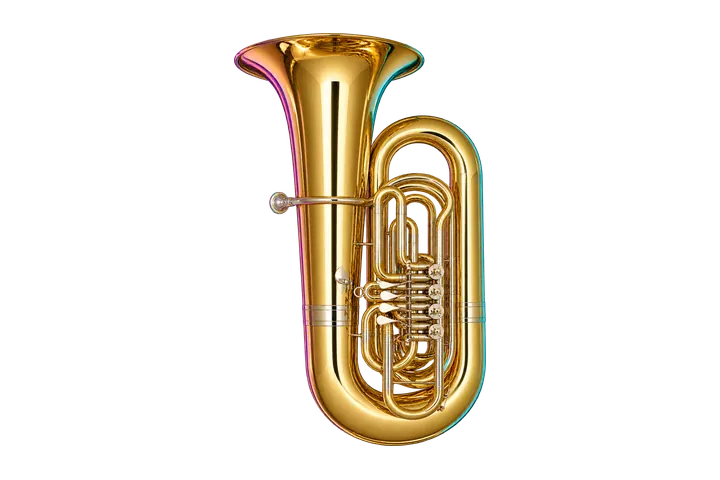
Tuba methods at Clave de Mi
Here is the most complete brass method there is, the Arban method, adapted for the tuba and fully integrated into MIDI & MusicXML Player. It does not matter what pitch your tuba is in: the exercises in the player can be adapted.
There are none at this level.
Practice the tuba methods with audio
The tuba is the lowest-pitched instrument of the brass family. Its sound is produced by the buzzing of the lips in a mouthpiece thanks to the air passing through, and the notes are changed by combining the valves (or rotors), which lengthen the path of the air through the tubing.
Read more
Tubas come in several pitches (C, B♭, E♭ and F) and the music is normally read in bass clef, although E♭ and B♭ tubas are sometimes also read in treble clef, transposed. That is why the same exercise can be written differently depending on the band, the orchestra or the method.
Aspects to consider when learning to play the tuba
If you want to learn to play the tuba, some of the aspects you will need to take into account are the following:
- Adopt a relaxed posture when playing.
- Be able to control the air thanks to good diaphragmatic breathing: the tuba needs a lot of air and a very even use of it.
- Achieve a good attack (articulation), intonation and flexibility when changing notes across the whole register.
- Have good control of the valves to change notes with rhythm and precision.
- Learn the different types of attack and phrasing to convey musically what the piece requires.